Projects
Sustainable
School Projects
We run practical, income-generating agricultural projects—fish farming, poultry, fruit orchards, and rabbit rearing—that enrich student learning, support school operations, and benefit local families.
Project overview
- Fish Farming
- Hands-on aquaculture training; fresh fish for school meals and sale to support programs.
- Poultry (Chicken)
- Egg and meat production that supplies the school kitchen and generates steady income.
- Fruit Trees
- Orchard plots producing seasonal fruit for nutrition, classroom lessons, and community markets.
- Rabbit Rearing
- Low-cost, fast-turnaround livestock project supplying protein and income while teaching animal husbandry.
Fish Farming
Our school’s fish farm is an educational and sustainable aquaculture program where students learn pond management, water quality monitoring, feed management, and fish health. The farm supplies fresh, nutritious fish for school meals and sells surplus to raise funds for learning materials, infrastructure repairs, and extracurricular activities. Students are involved at every stage—planning, feeding, harvesting, and record-keeping—gaining transferable skills in biology, environmental stewardship, and small business management.
Key activities:
- Pond construction and maintenance
- Fingerling stocking and feed management
- Water quality testing and record keeping
- Harvesting, processing, and local sales
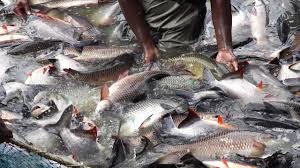
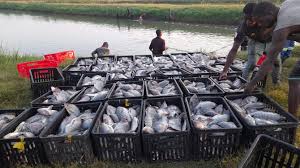
Our school fish farm combines practical aquaculture training with sustainable food production.
Students learn pond management and fish husbandry while the program supplies fresh fish for school meals and generates income to support learning resources and community outreach.
Full description
Overview
The School Fish Project is a hands-on aquaculture initiative designed to teach students modern, sustainable fish-farming techniques while producing nutritious food for the school and the local community. Managed jointly by teachers, students, and local aquaculture advisors, the program emphasizes water quality, animal welfare, simple business skills, and environmental stewardship.
Key activities
- Construction and maintenance of ponds and simple tanks
- Fingerling stocking, feeding schedules, and growth monitoring
- Regular water-quality testing and eco-friendly pond management
- Harvesting, basic processing, and local marketing of surplus produce
- Record-keeping, budgeting, and sales management for student enterprise learning
Student learning & involvement
Students from science, agriculture, and business classes participate in daily care routines, sample testing, and planning meetings. The project is used as a living classroom for lessons on biology, ecosystems, mathematics (production records, cost analysis), and entrepreneurship. Older students mentor younger pupils, reinforcing leadership and communication skills.
Benefits to the school
- Fresh, protein-rich fish for the school feeding program
- Income from sales to support textbooks, classroom supplies, and infrastructure
- Practical vocational skills for students considering careers in agriculture or business
Community impact
Surplus fish are sold affordably in local markets, boosting food security and providing income to the school. Training workshops invite local fish farmers to learn improved practices, strengthening community capacity and local livelihoods.
Call to action
Support our aquaculture program — volunteer, donate equipment, or join a workshop.
Chicken
(Poultry) Project
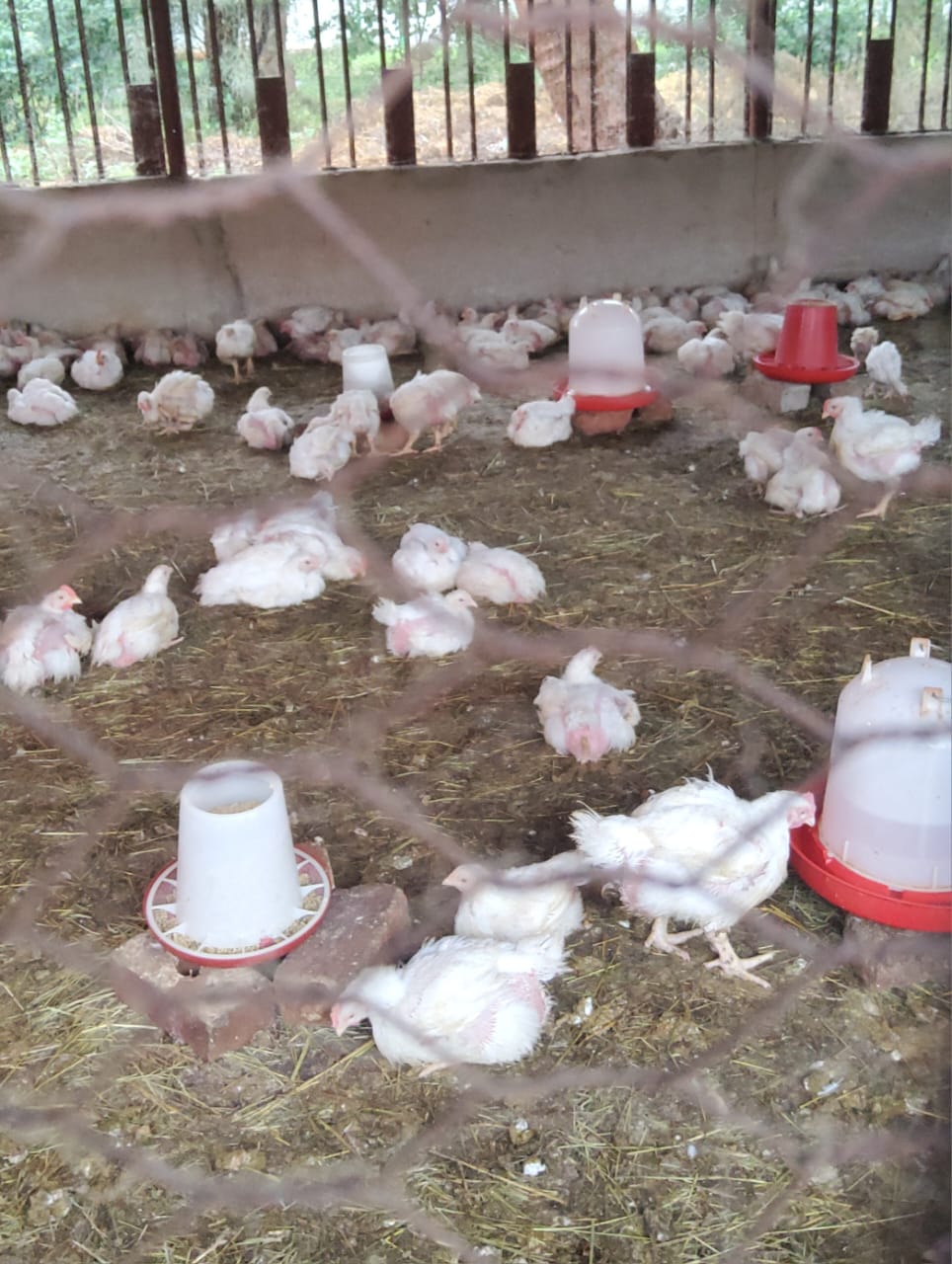
Our poultry project produces eggs and meat while teaching humane husbandry, record-keeping, and enterprise management. The program supports school nutrition and raises funds for essential school services.
Overview
The School Poultry Project includes both layer and broiler systems tailored to our local climate and market. It is operated as an educational enterprise where students learn biosecurity, animal welfare, nutrition, and small-scale marketing. The project is overseen by staff with periodic veterinary support to ensure flock health.
Key activities
- Construction and maintenance of secure poultry housing
- Layer and broiler feeding plans, vaccination schedules, and health checks
- Egg collection, cleaning, grading, and packaging for sale or school use
- Market planning, pricing, and bookkeeping exercises for student business modules
- Community training sessions on improved poultry practices
Student learning & involvement
Students engage in day-to-day flock care, production record-keeping, and sales planning. Poultry projects are integrated into lesson plans for biology, economics, and life skills. Senior students lead training clinics for community members, creating a two-way learning exchange.
Benefits to the school
- Steady supply of eggs and poultry for school meals
- Regular revenue for school projects and student activities
- Development of transferable vocational skills for learners
Community impact
The project supplies affordable eggs and poultry to local families and offers workshops that raise productivity and animal welfare standards among neighborhood farmers. Income earned by the school is reinvested into local community programs where possible.
Call to action
Help our flock thrive—donate feed, equipment, or expertise. To get involved
Rabbits
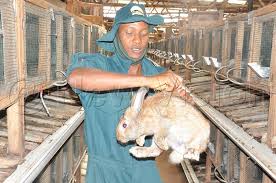
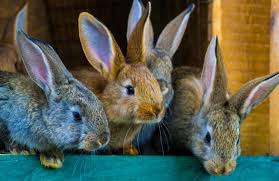
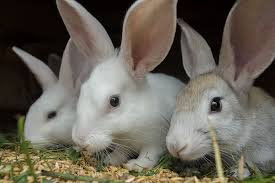
The rabbit program provides fast-turnaround protein and practical husbandry experience in a low-space, low-cost setting. Through this project students learn animal care, breeding management, and small enterprise skills.
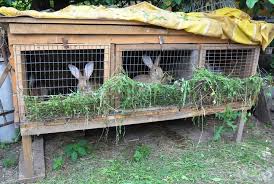
Rabbits raised for the market. The stock peaked at around 100 and the Rabbits and most were sold live on market with some also made into biltong. Currently the stock is at 48 rabbits as we have paused breeding.
The Rabbit Project is an efficient livestock initiative suited for schools with limited space. Rabbits reproduce rapidly and have high feed-conversion efficiency, making them ideal for teaching husbandry and providing local protein sources. The project emphasizes humane care, record-keeping, and market-oriented production.
Key activities
- Construction and maintenance of hutches and shelter with proper ventilation
- Breeding schedules, weaning protocols, and feeding regimes
- Health monitoring, parasite control, and veterinary checkups
- Processing, packaging, and local marketing of surplus stock
- Business planning, cost-benefit analysis, and student-run sales
Student learning & involvement
Students manage day-to-day care and longer-term breeding and sales cycles, learning biology, nutrition, and enterprise management. The small scale of rabbit rearing encourages student responsibility, attention to detail, and teamwork.
Benefits to the school
- Affordable, high-quality protein for the school feeding program
- Revenue to support school projects and student activities
- Practical vocational training that can be replicated by families in the community
Community impact
The project supplies rabbit stock and meat to the local area and offers training in small-animal care for interested households, expanding livelihood options and improving food security.
Call to action
Support our rabbit project—donate materials, sponsor breeding stock, or attend a training session.
Fruit Trees
(Orchard)
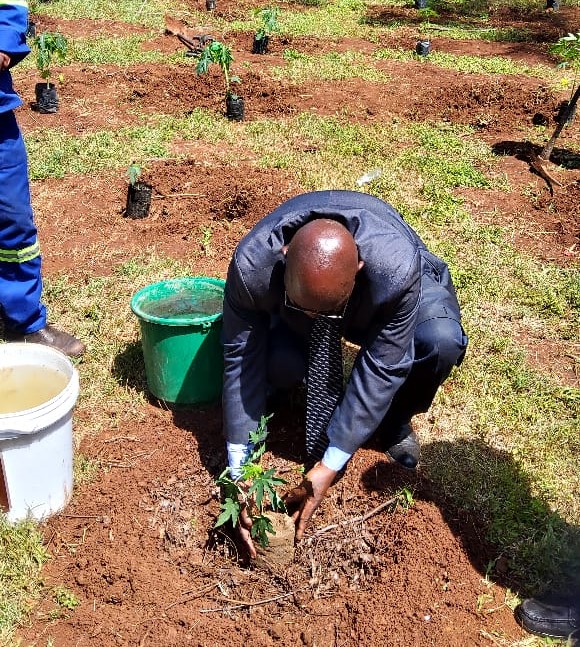
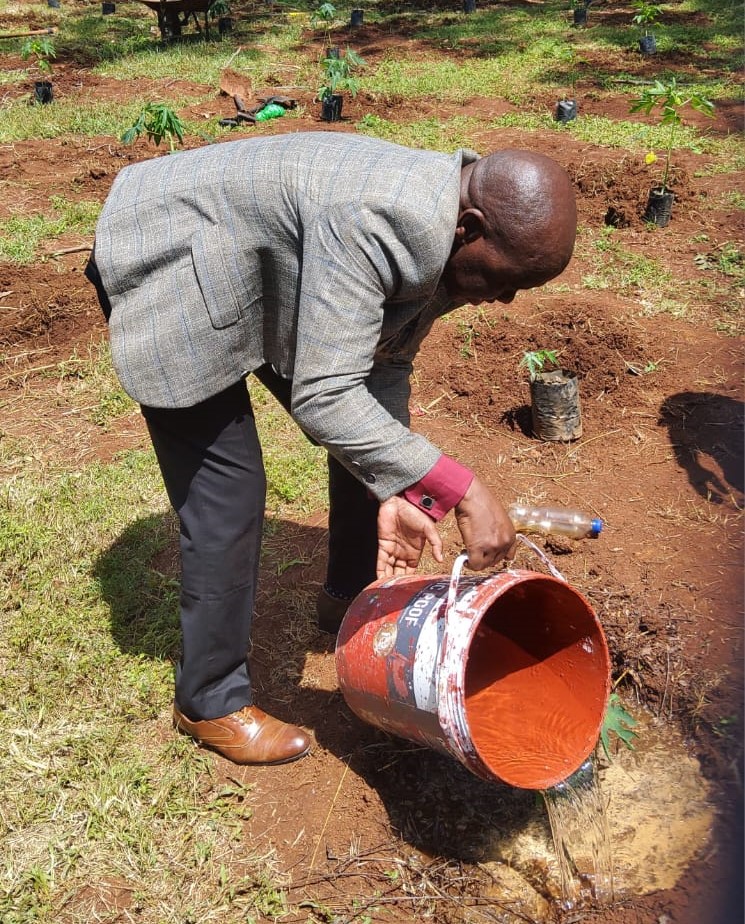
The Fruit Tree Project establishes and maintains orchard plots with species suited to our climate and soil. The program focuses on sustainable production, soil conservation, and value addition (such as drying or preserves). Trees are integrated into the school grounds to provide shade, food, and a living classroom for environmental studies.
Our partner in the planting of trees was approved by the Province and is already on the ground. He is setting up a nursery from which he will donate quick ripening dwarf paw-paw trees and the West African apple- mango tree that has a high fruit yield. While the mango might take a bit of time to reach maturity it is expected that the paw-paw which has a very short maturity span will be our low hanging fruit that will give us a quick yield and return of profits. The digging of holes for the planting of both the mango and paw-paw trees is in progress.
Key activities
- Seedling nursery management, planting, and mulching
- Pruning, composting, and organic pest management techniques
- Harvesting, post-harvest handling, and simple value-add activities
- Student-led environmental clubs and nutrition education sessions
- Record-keeping for yields, sales, and tree survival rates
Student learning & involvement
Students participate from seed to harvest: propagating seedlings, monitoring growth, and experimenting with simple value-added products. Curriculum links include botany, nutrition, climate resilience, and entrepreneurship. Orchard stewardship builds long-term thinking and care for shared resources.
Benefits to the school
- Fresh fruit for student meals and nutrition programs
- Long-term income from fruit sales and value-added goods
- Greener, more comfortable school grounds and outdoor learning spaces
Community impact
Families gain access to affordable fruit and learn sustainable orchard practices via community workshops. Seedling sales and knowledge-sharing promote reforestation and local food resilience.
Call to action
Plant hope with us—sponsor a tree, volunteer in the nursery, or join our orchard workshop.